Site works under way
The perimeter wall is going up on the school parcel, and site works are under way, funded by the promoters.
The Elmina Village is a 150-acre knowledge district on the coast of Elmina, Ghana, built around education. It marks a return to the place Africa lost so much, and it exists to develop the people and institutions that will lead the continent's next chapter.
150 acres · 15 components · School opens September 2028
For nearly four centuries, people left this shore and did not come back. This is where they return.
Read the storyFifteen components along a tree-lined boulevard that runs from the N1 to the Return Monument, facing the Atlantic.
The perimeter wall is going up on the school parcel, and site works are under way, funded by the promoters.
The masterplan has been redrawn on the confirmed land holding: fifteen components on a single axis from the N1 to the Atlantic.
The founding principal's engagement has been formalised, bringing nearly three decades of boarding-school leadership to the project.
HEPTA's campus design is costed through the first two phases, and the campus fly-through film is now online.
From the castle at Elmina, Africans were sold into the Atlantic trade and taken to the Americas through a passage now called the Door of No Return. The Return Initiative Project builds, on the same coast, a place designed for the opposite journey.
The Portuguese fleet reached Elmina in January 1482 and built São Jorge da Mina to control the gold trade. The Dutch took it in 1637 and turned it into a principal holding point of the Atlantic trade in enslaved people, which they ran from here until 1814.
Captives brought from the interior were held in the castle's dungeons, then led through a narrow passage to the boats and the ships beyond. The Door of No Return named what it meant: no one who went through it was expected to come back.
Today descendants of those who left stand in that doorway by the thousands. The Return Initiative Project gives that homecoming somewhere to go next: a school to enrol in, a business to build, a home to live in, and a monument facing the sea, welcoming them back.
The same few kilometres of shoreline hold the beginning of European trade in Africa, the Atlantic slave trade, independence, and the modern return of the diaspora. TRIP adds the next chapter.
Portuguese sailors reach the Gold Coast.
The castle is begun at Elmina, the first European trading post on the Gulf of Guinea.
The first recorded enslaved Africans arrive in English North America, at present-day Hampton, Virginia.
The castle becomes a principal depot of the Atlantic trade in enslaved Africans.
Abolished under an Anglo-Dutch treaty. Over the whole Atlantic trade, some 12.5 million people were embarked.
The Gold Coast becomes Ghana, the first sub-Saharan colony to win independence.
UNESCO inscribes the forts and castles of Ghana, Elmina among them.
Marking 400 years since 1619, it brings a surge of diaspora visitors; 126 descendants of the enslaved are sworn in as citizens.
Ghana's successor programme turns reconnection into investment in education, enterprise and heritage.
The first institution of the Village opens its doors on the N1 at Elmina.
The Door of No Return becomes a door of return: an operating institution, on the ground where the history was made.
A school and skills campus that keep Africa's next generation on the continent, and careers that bring professionals home.
Defined assets, each with its own vehicle, that diaspora and institutional investors can assess and hold.
A school, a TVET campus, a research centre and a medical facility, governed for the long term.
A museum of this coast, a botanical garden and the Return Monument at the end of the axis, facing the sea.
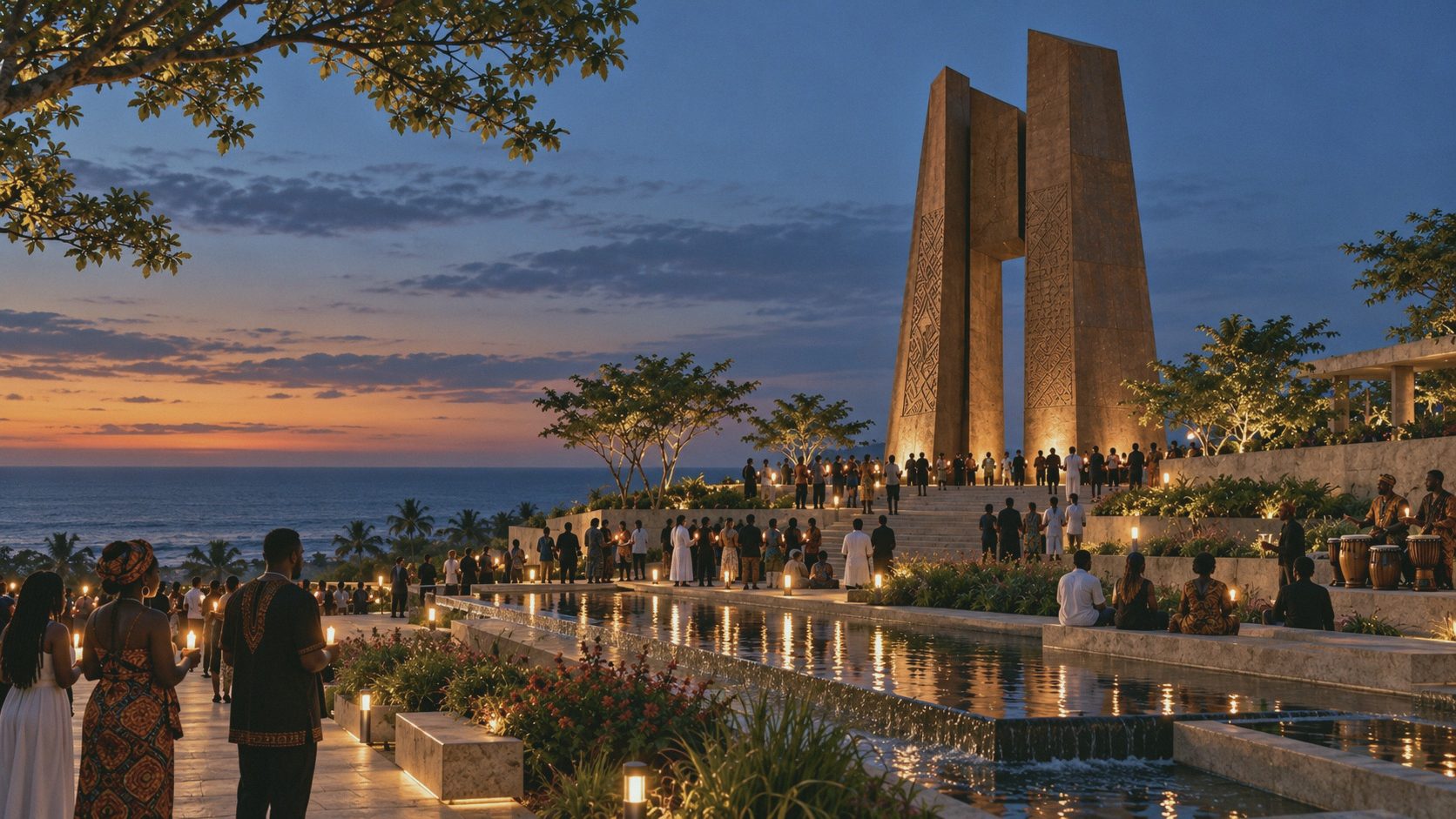
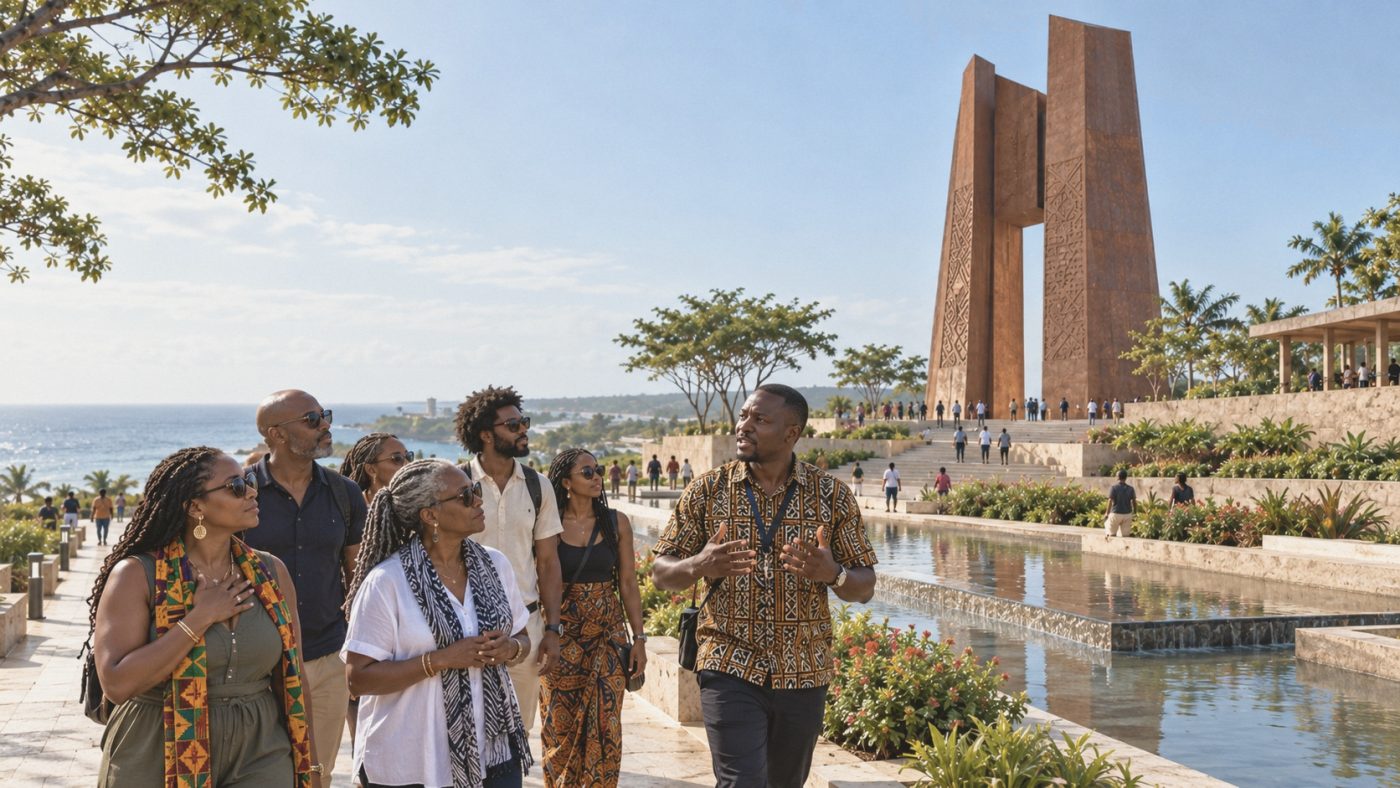
The Return Axis begins at the main gate on the N1 and runs south past the school, the knowledge quarter and the museum. It ends at the Return Monument, a two-acre civic space oriented to the Atlantic the captives crossed: a place for remembrance, ceremonies of return and graduations.
Not a new city. Fifteen components in six quarters, each sized for its use and sequenced so that one phase creates the demand for the next.
150 acres · 15 components · Six quarters · About $200m at full build-out
Acreages are taken from the draft masterplan and rounded. Select a row to open the component.
| # | Component | Quarter | Stage | Acres |
|---|
Acreages are planning allocations from the draft masterplan, October 2026, subject to final survey, engineering and Town and Country Planning approval. The indicative development cost is a construction and fit-out estimate with a provision for fees and contingency; it is not a budget.
The plan is set on the January 2026 topographic survey of the 300.2-acre holding. The Village takes the 150 acres nearest the N1, 50 acres in the north-west are carved out for Sunshine Farms, and the balance is held as future land. Select a parcel or a quarter to explore.
Draft masterplan for discussion. Illustrative and not to construction scale. Boundary traced from the January 2026 topographic survey of the Ayensudo holding; building footprints are indicative massing only. Subject to engineering, environmental assessment and Town and Country Planning approval.
| Programmed components, fifteen | 125.4 ac |
| Greens, avenue planting and the school forecourt | 11.0 ac |
| Roads, gateways and edges | 13.6 ac |
| The Village | 150.0 ac |
| Coastal Residences, future phase | 66.5 ac |
| Western land reserve | 24.8 ac |
| Stream corridor, held as natural reserve | 8.9 ac |
| Sunshine Farms carve-out, north-west | 50.0 ac |
| Surveyed holding | 300.2 ac |
The pocket of about 43 to 45 acres outside the surveyed boundary belongs to the Islamic primary school and is not part of the plan.
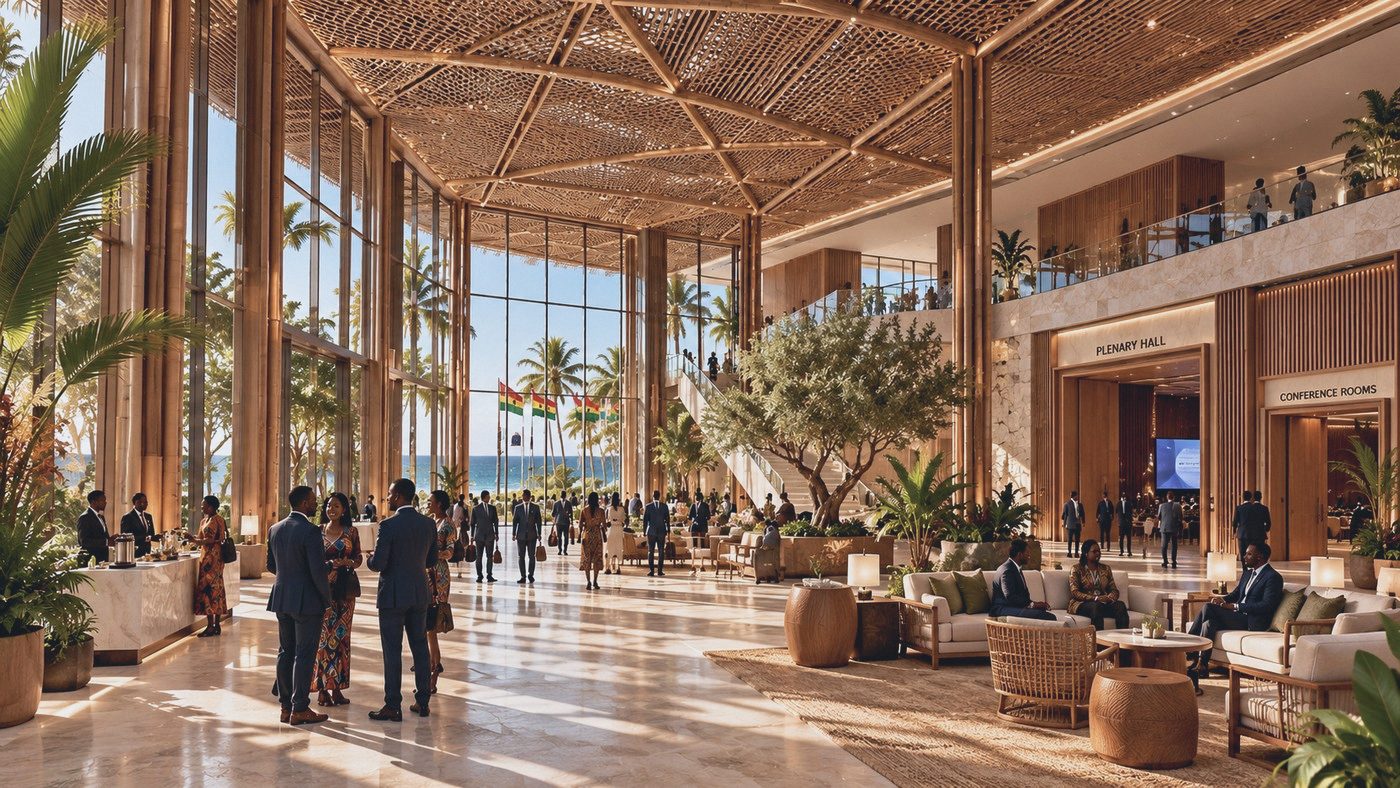
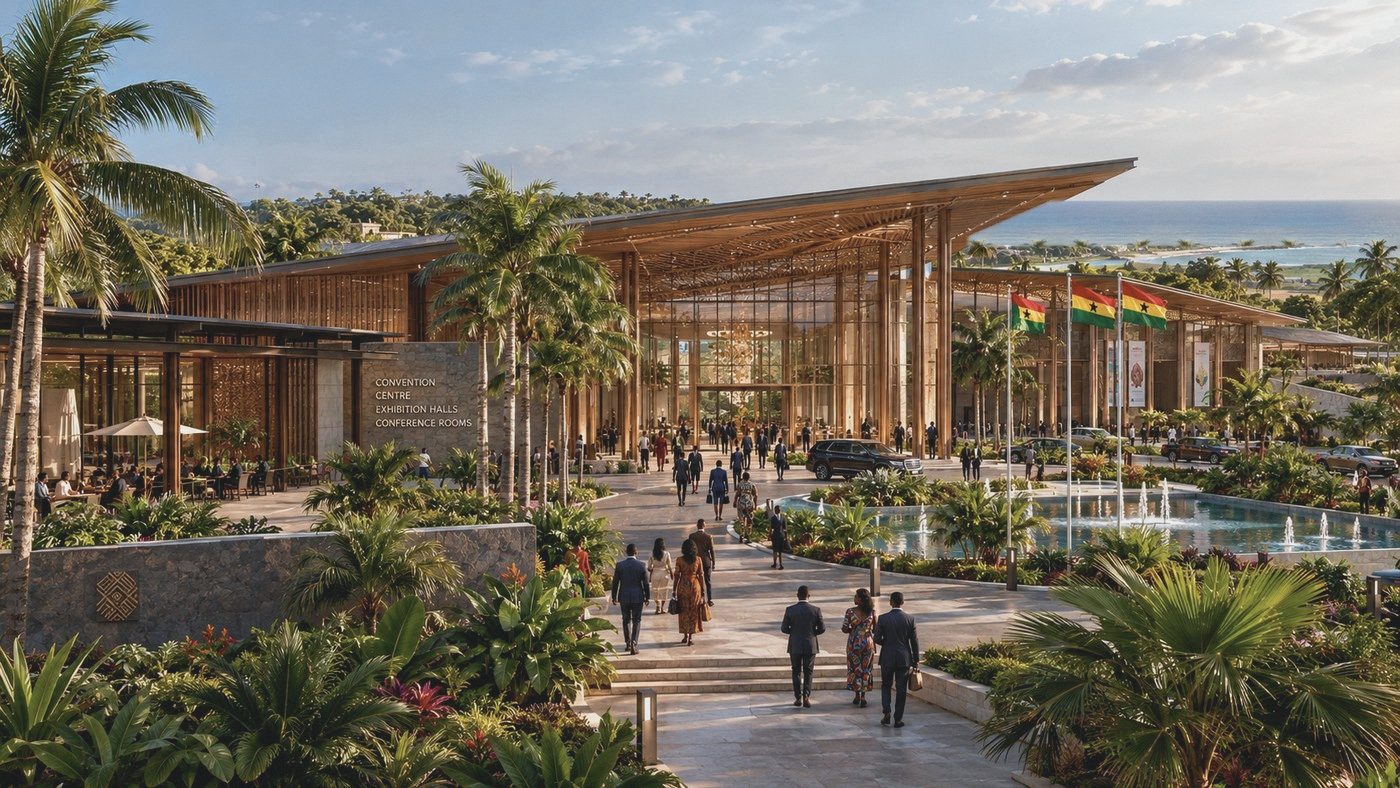
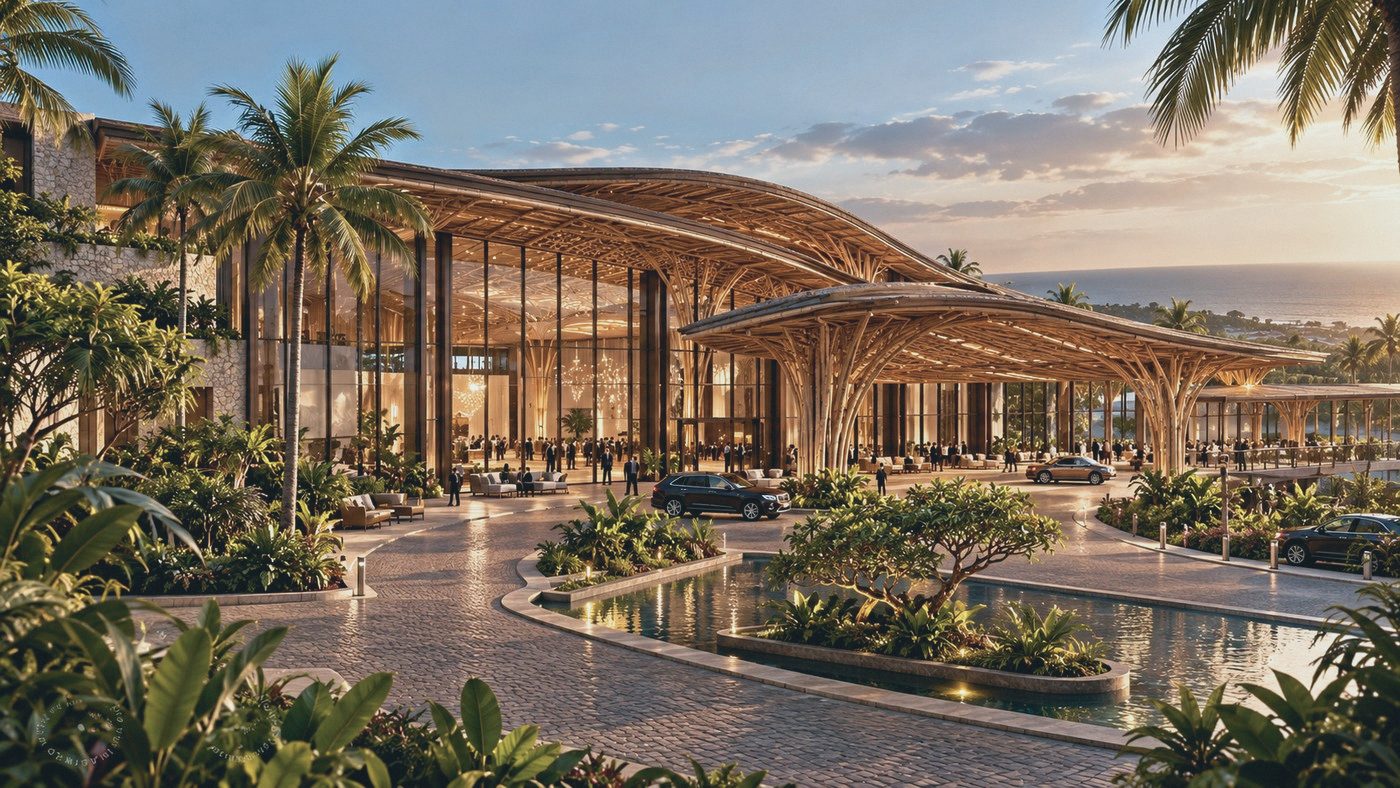
The hotel, conference venues and shopping centre take the N1 frontage, where visitors arrive and traffic can be served without entering the quarters behind.
The 25-acre campus sits where the survey records it, with a landscaped forecourt set back from the highway.
The Return Axis links the main gate to the monument, with every quarter addressing it.
The digital hub, technology hub and TVET campus sit directly behind the school, so students, trainees and employers share streets.
Denser homes sit within the Village; larger lots of half an acre and one acre follow on the future land closest to the sea.
A co-educational, bilingual IGCSE and A-Level boarding school for West Africa's most able students, and the founding institution of the Village.
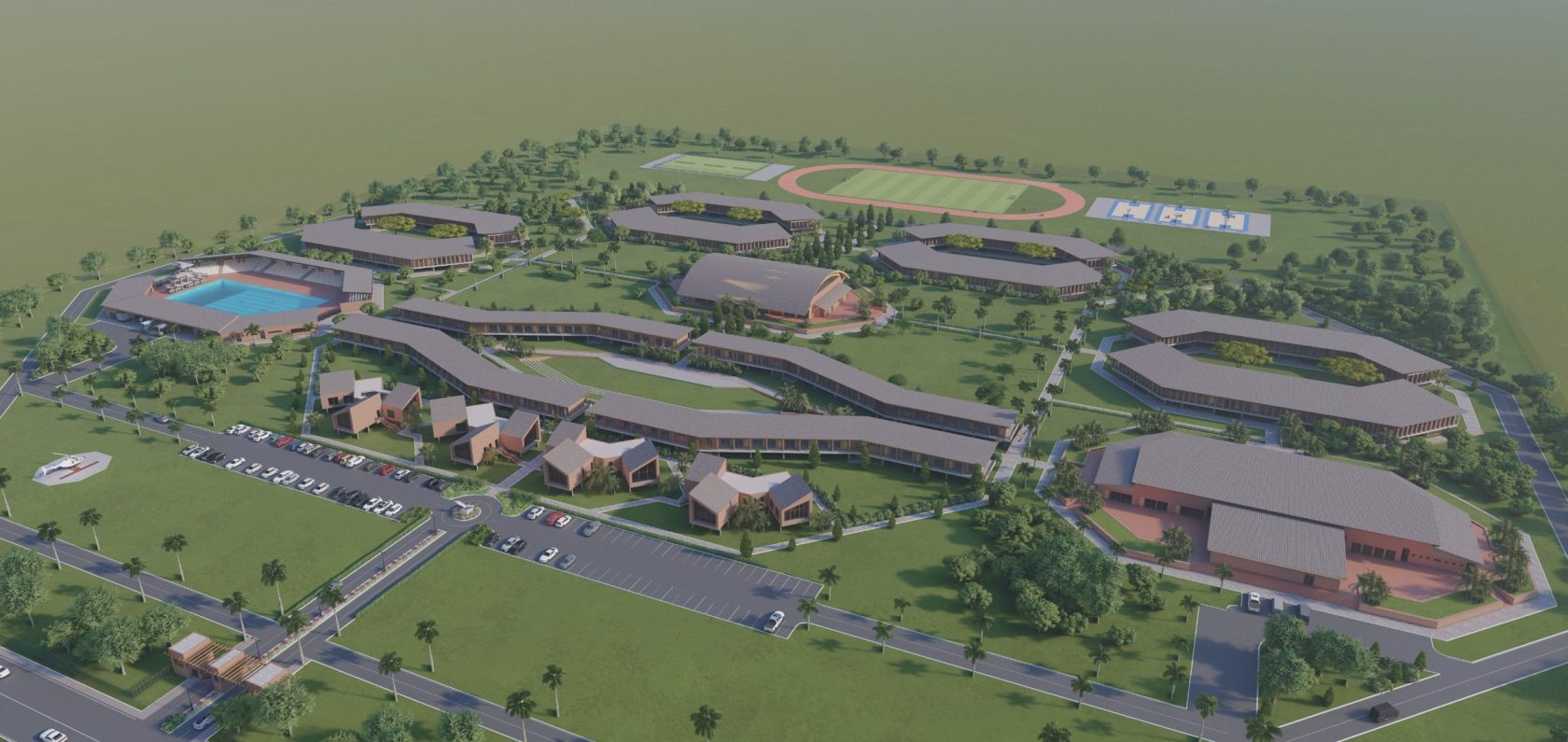
From the N1 gate and forecourt, past the administration pavilions and the amphitheatre, to the boarding houses, aquatics centre and playing fields.
Design animation, 1 min 40 s. Illustrative; subject to detailed design.
There is no bilingual IGCSE and A-Level boarding school of this kind in West Africa. Families who want an international curriculum in both English and French, in a boarding setting, look abroad.
The African Leadership Academy in Johannesburg shows the demand for a Pan-African boarding education. The Elmina School answers it in West Africa, beginning with families in Ghana, Nigeria and Côte d'Ivoire, then Senegal.
Every student graduates at CEFR B2 or above in both English and French, building to B1 in the foundation years and consolidating at B2 in the senior years, with optional C1 tracks. French is certified through DELF and DALF.
Students enter through two tracks, with a Bridge programme for those arriving with less French. The standard asks something of every student, including those for whom one language is already native.
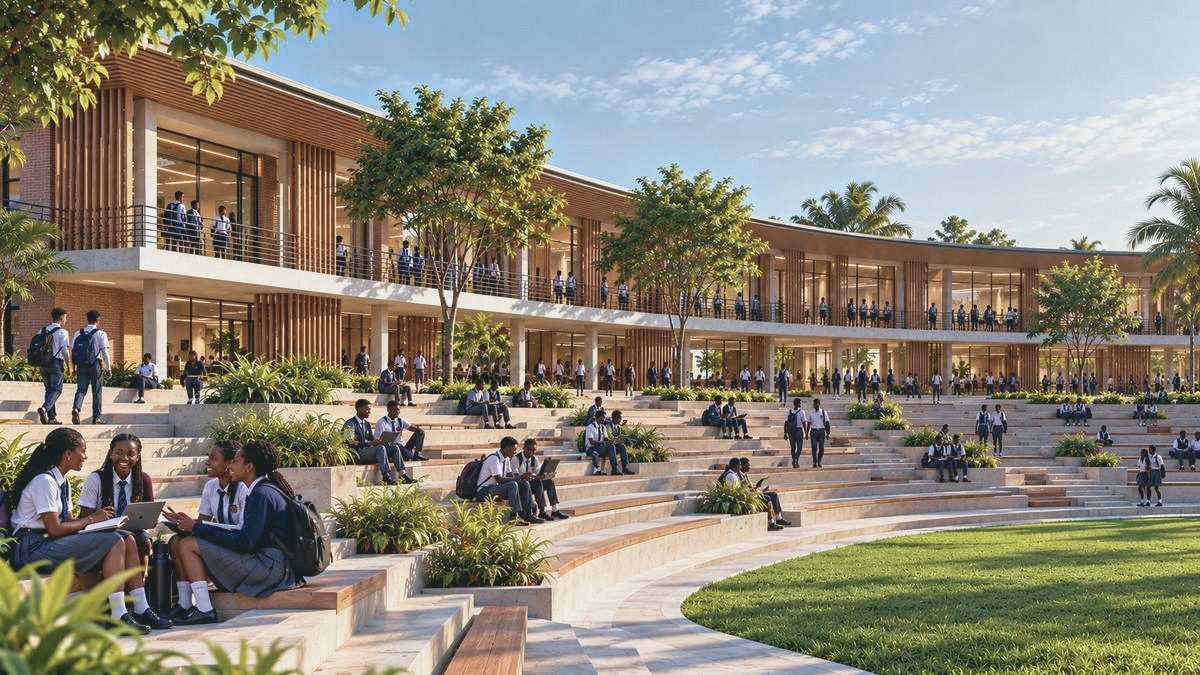
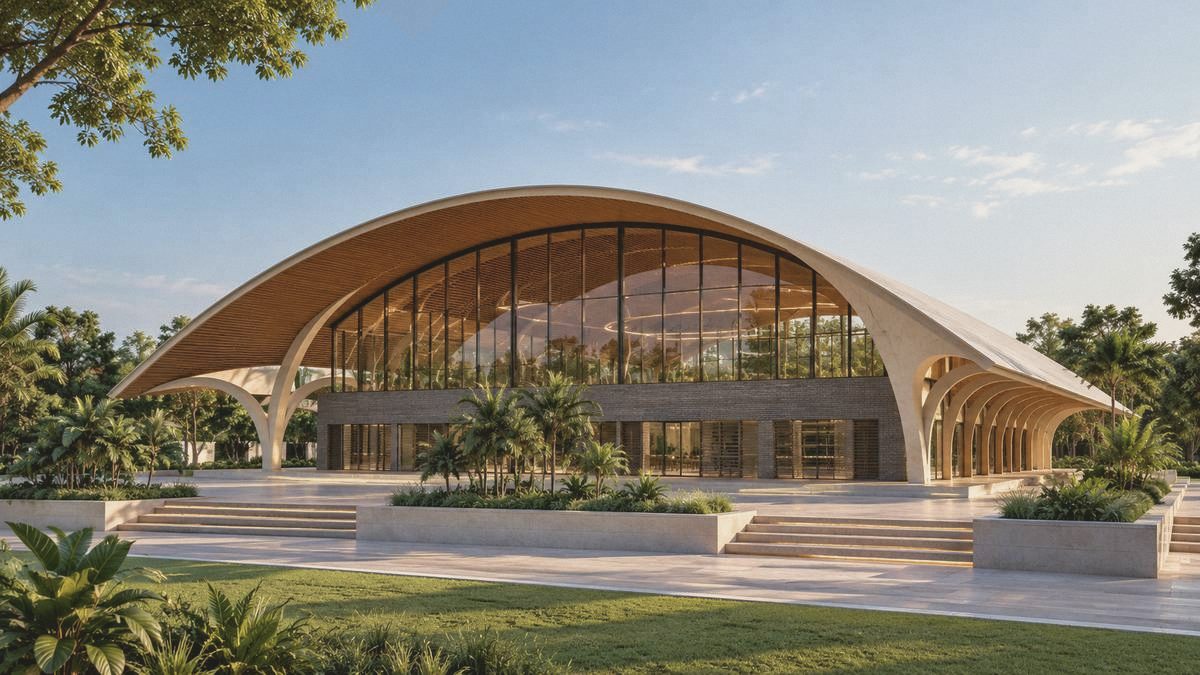
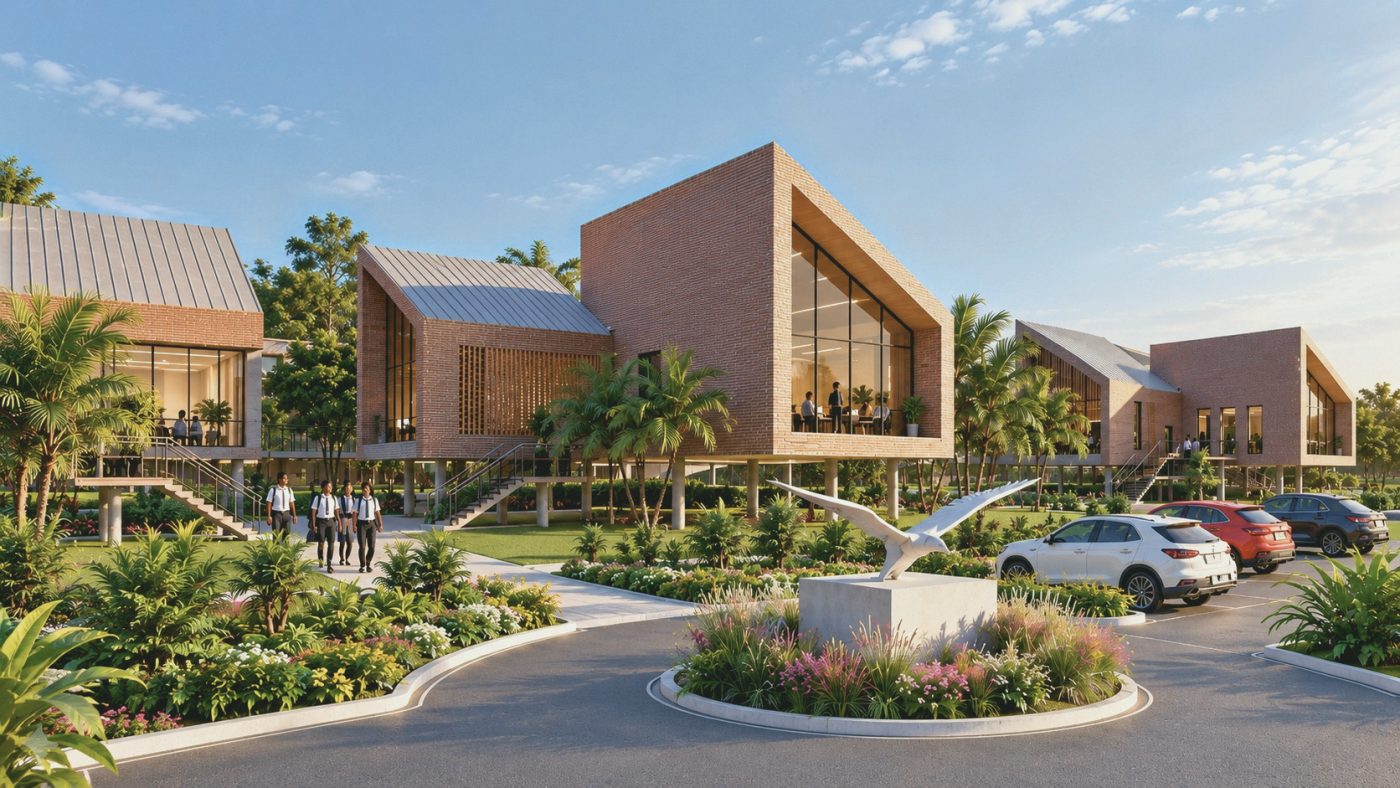
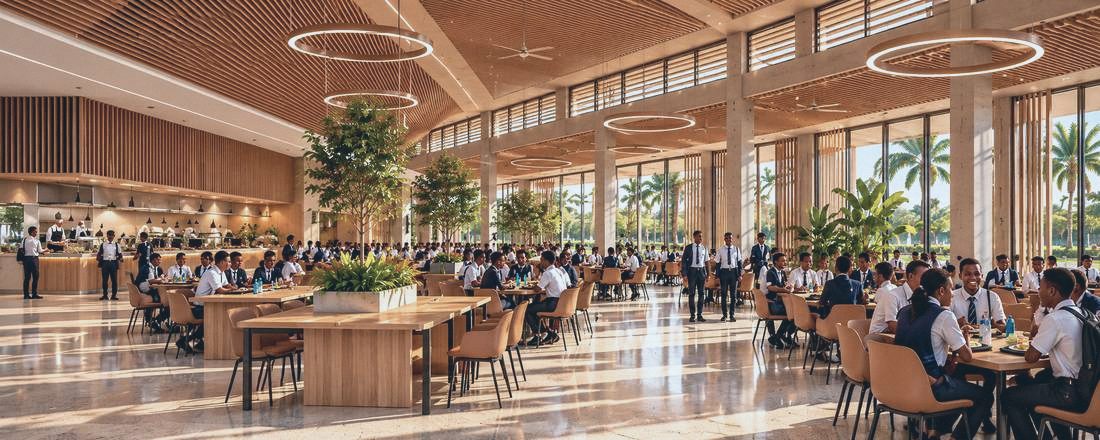

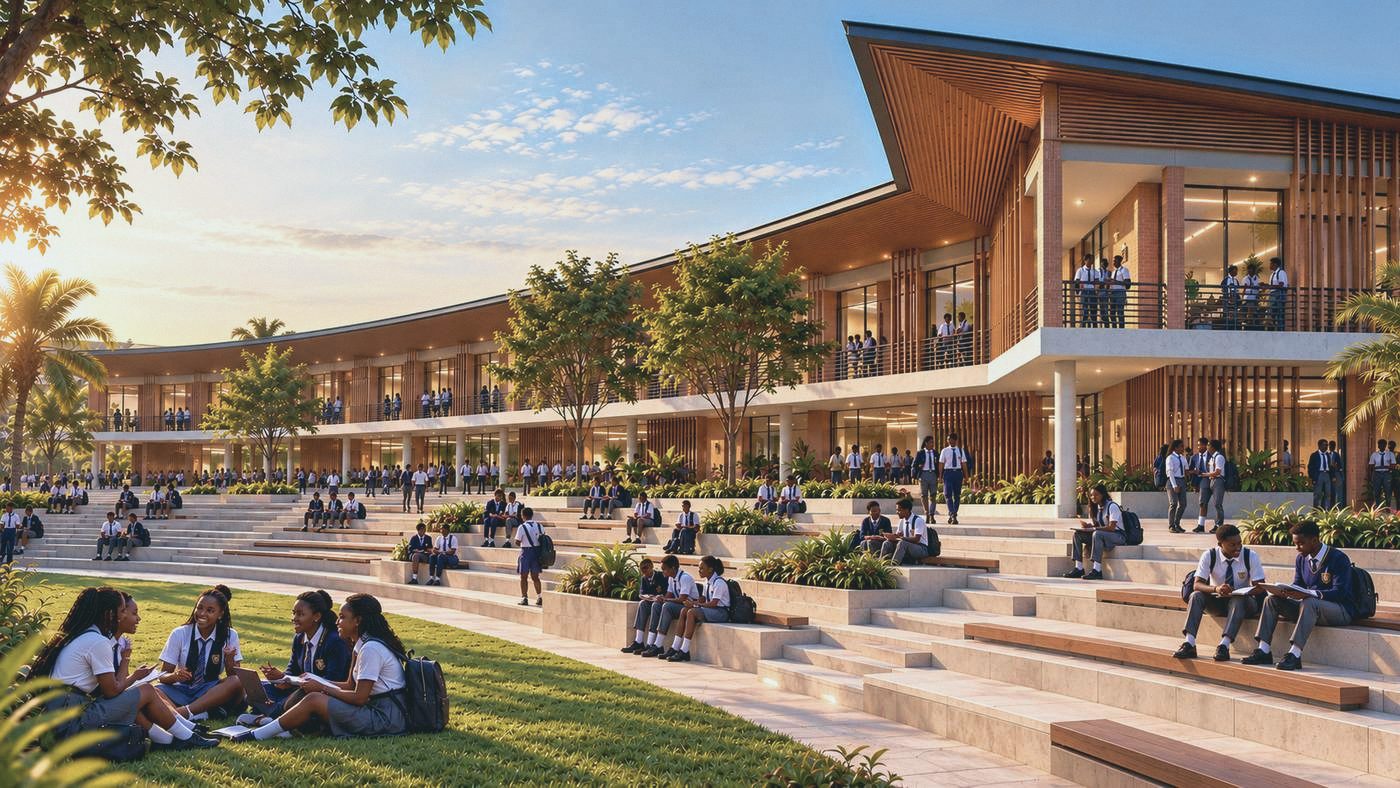
Design visualisations of The Elmina School campus.
A rigorous Cambridge education, enriched by Pan-African studies, enterprise and leadership, on a campus designed to draw out the best in every student.
With classmates and housemates from across Anglophone and Francophone Africa, English and French are part of daily life, well beyond the classroom. Every student is required to reach B2 in both languages, with French certified through the international DELF.
Cambridge IGCSE and A-Level, examined in the United Kingdom and recognised by leading universities worldwide, enriched by the study of African history, Pan-African thought, enterprise and leadership. Our graduates leave internationally qualified and unmistakably grounded.
Mentorship, internships and service in the early years; a leadership lab, venture incubator and robotics, AI and engineering studio in the senior years. Students learn to turn ideas into impact, culminating in a capstone that answers a real regional need.
Led by an educator of nearly three decades at SOS-Hermann Gmeiner International College and the African Leadership Academy, where he served as Deputy Principal, and a 2023 recipient of the Yale Educator Award.
Twenty-five landscaped acres of lawns, mature trees and gardens, with tropical-modernist architecture by HEPTA on a plan inspired by traditional Akan settlements. Laboratories, playing fields, an athletics track and, in time, a competition pool.
Separate boarding houses with resident staff, on-site medical care and counselling, and fresh, wholesome meals prepared daily, much of it organic and drawn from the school's own gardens.
Minutes from the castle and its Door of No Return, Elmina offers every student a living lesson in history, and a part in writing its next chapter.
The Elmina School Endowment Fund will offer full and partial scholarships to bright students from families of limited means, so that ability, not circumstance, decides who may attend.
The investment teaser, institutional information memorandum and financial model are shared with qualified parties under NDA.
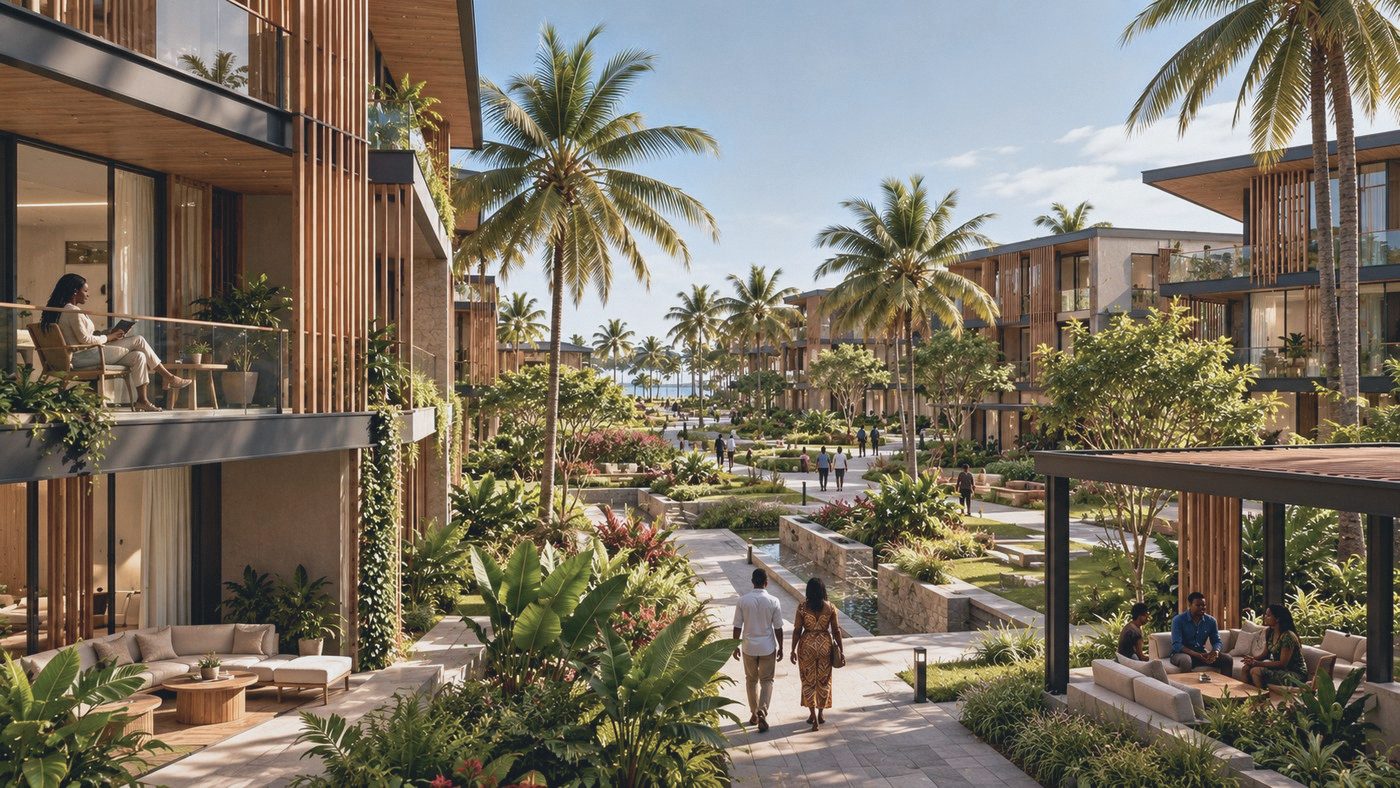
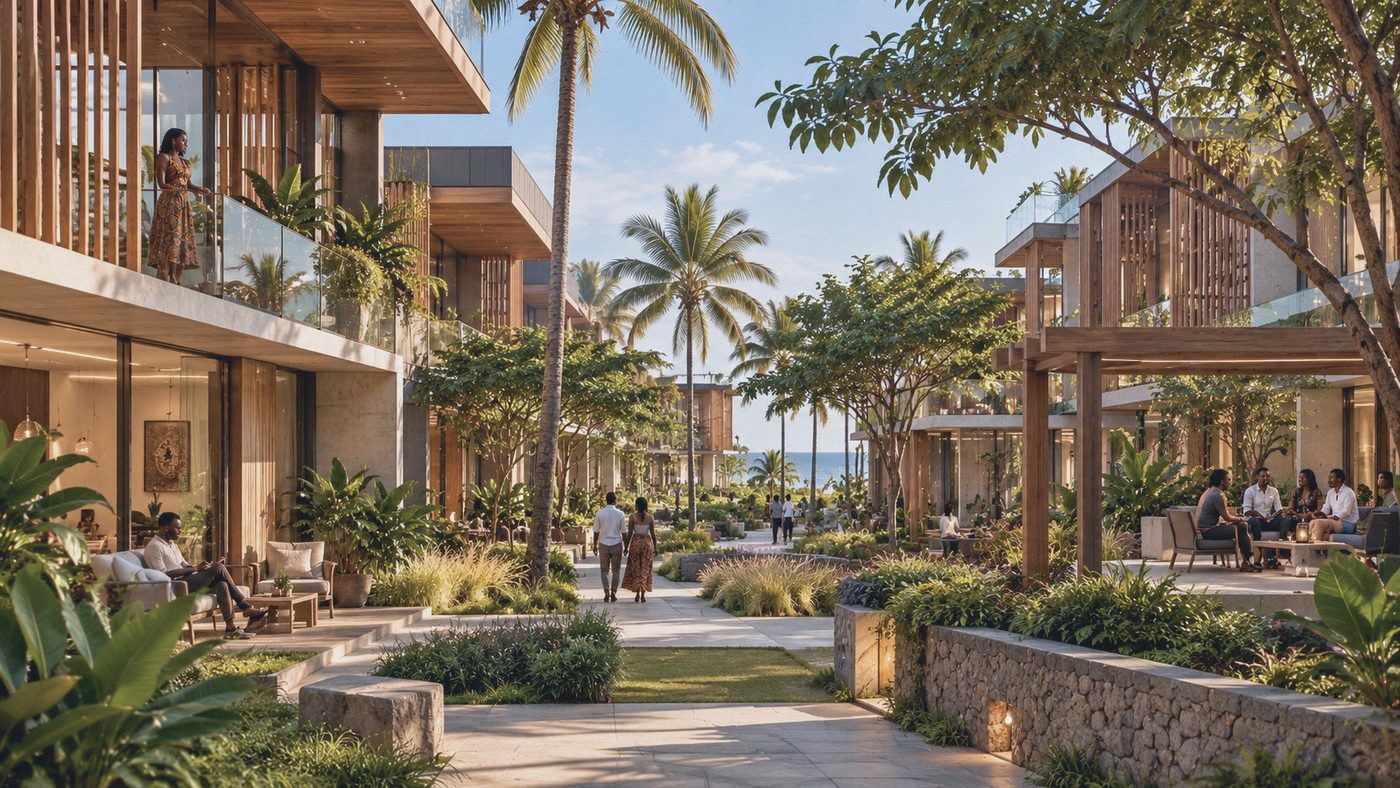
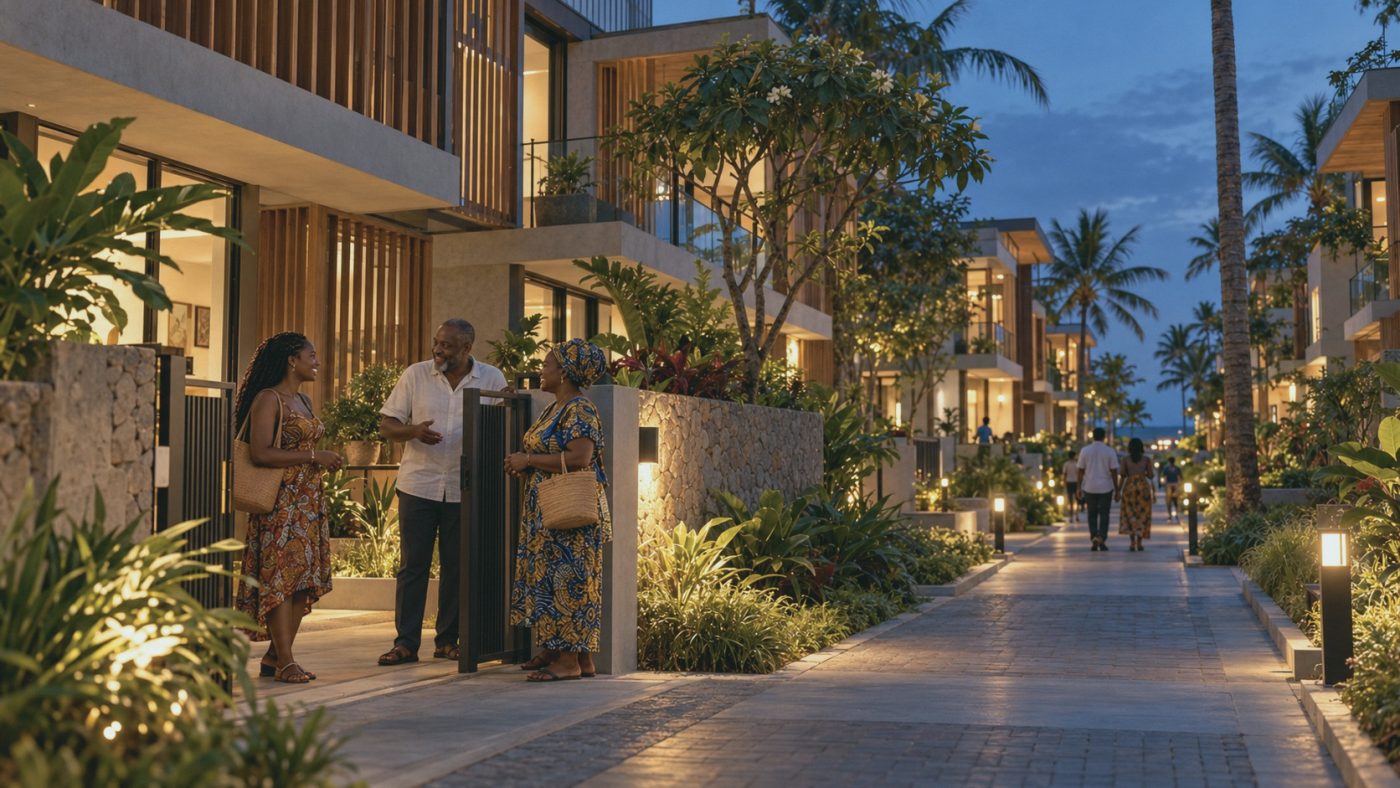
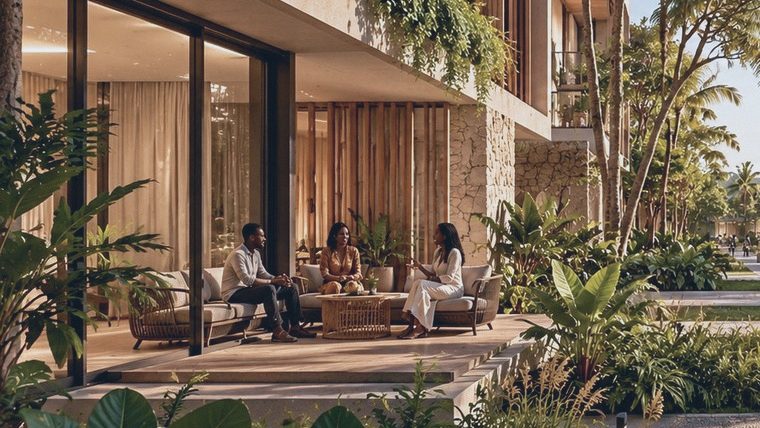
A deliberately varied neighbourhood: apartments and townhomes close to the knowledge quarter, family homes along quieter streets, and generous half-acre and one-acre plots stepping toward the coast. One architectural language holds it together.
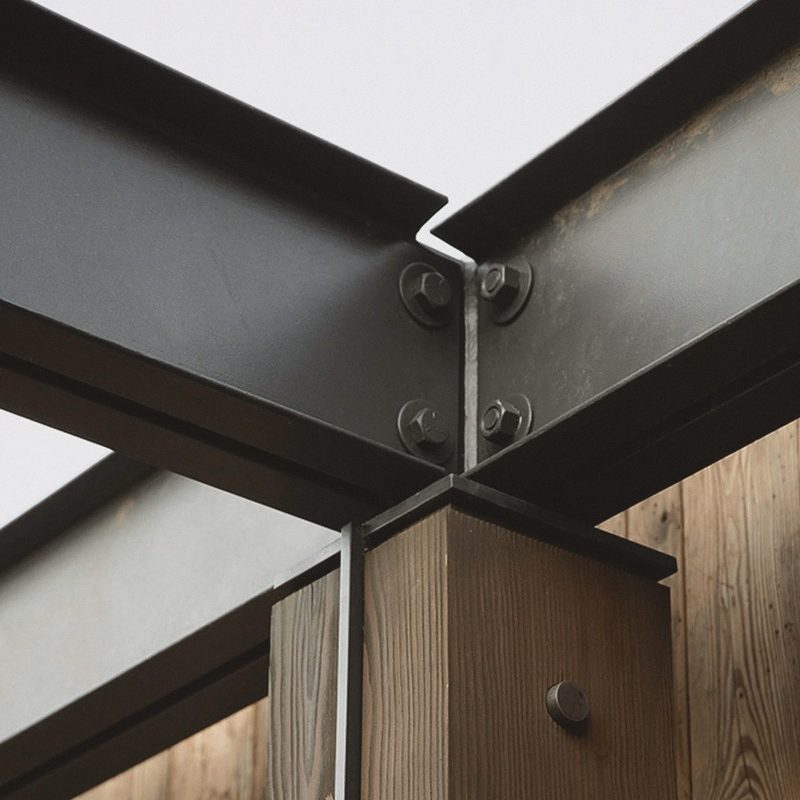
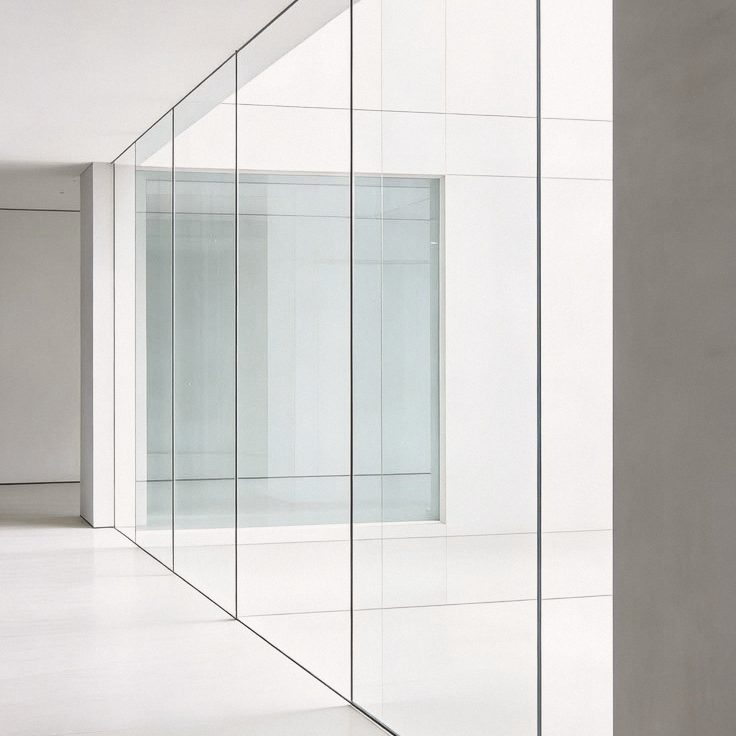
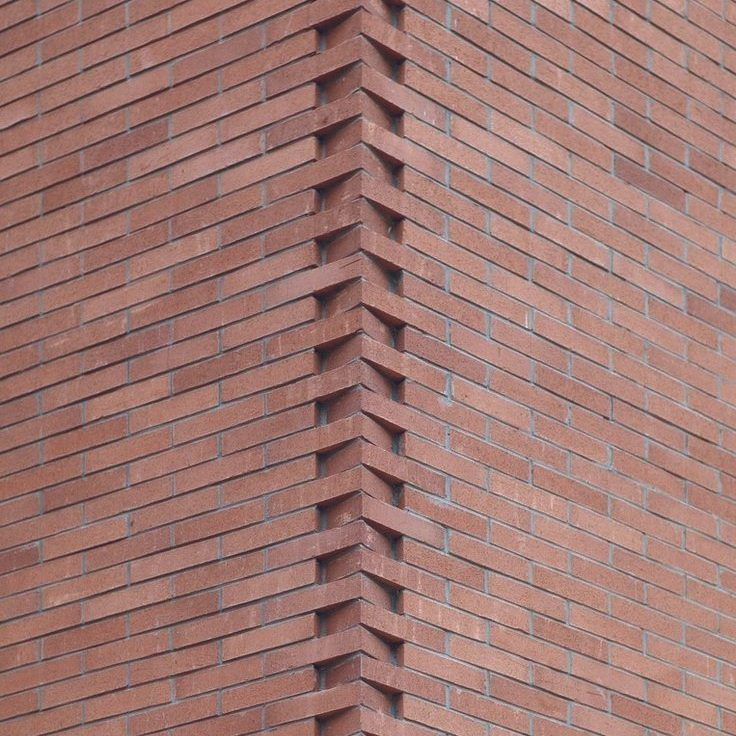
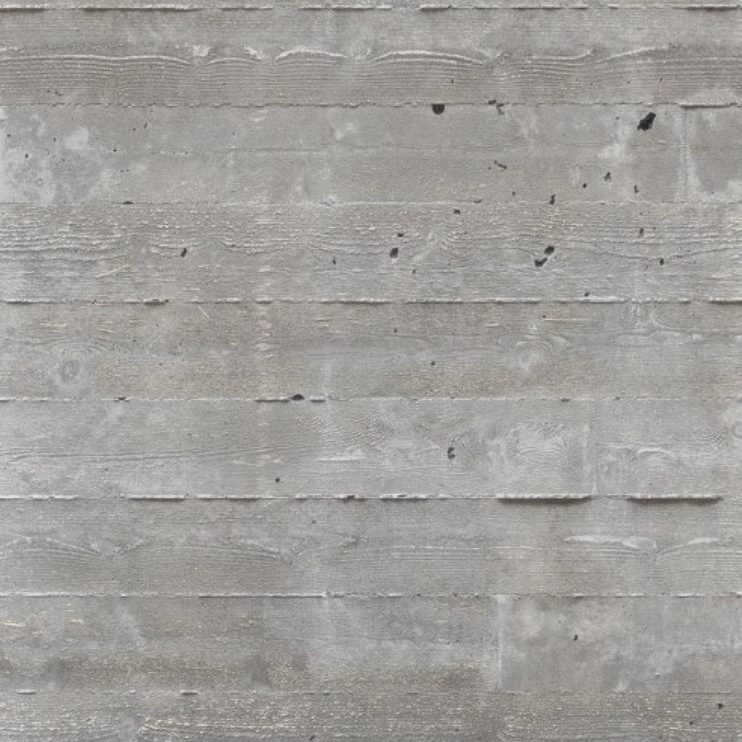
Warm timber, exposed steel, generous glass, natural stone, red brick and board-formed concrete, with premium landscaping doing as much work as the buildings. The palette is shared across the school, the homes and the civic buildings, so the Village reads as one place.


Teachers, trainers and clinicians who want to live near the institutions they serve.
Employees of the digital hub, technology hub, hotel and medical facility.
Diaspora families relocating to Ghana, with a school at the end of the street.
Those who want a base on the Central Region coast for heritage visits and holidays.
Those coming home for good, with medical care, culture and the coast close by.
Short stays in the hostels and the Ketsina Hotel for parents, fellows and heritage travellers.
The holding sits at Ayensudo in the Komenda-Edina-Eguafo-Abirem Municipality, with frontage on the N1 and its southern edge about 100 metres from the shore. No other site in West Africa combines this history, this density of schools and this coast on one highway.
Schematic, not to scale. Drive times from the Village are approximate.
Cape Coast Castle recorded 120,242 visits and Elmina Castle 87,691 in 2024, and both placed in Ghana's top ten attractions in 2025 alongside Kakum. The hotel, conference venues, museum and garden serve visitors who already come.
Cape Coast is home to Mfantsipim, Wesley Girls', Adisadel, St Augustine's and Holy Child, many of the country's most storied secondary schools, and to the University of Cape Coast. A bilingual international school belongs in this tradition.
The University of Cape Coast reported 78,485 students including distance learners in 2022/23. Its graduates and faculty feed the digital hub, the technology hub and the school's own staffroom.
Work on dualising the 73.6-kilometre Takoradi to Cape Coast section of the N1 began in October 2025 and is expected to take about two years, bringing the port and airport at Takoradi closer.
The Year of Return lifted airport arrivals by 45% and visitor spending per head to about US$2,589; 126 members of the diaspora took Ghanaian citizenship. Elmina is the emotional centre of that return.
The southern boundary lies about 100 metres from the shore, between the beaches of Elmina and Brenu, with the coast road along its edge.
Elmina's working harbour on the Benya lagoon sends its painted canoes out before dawn. The town's Asafo companies keep their posuban shrines, sculpted monuments that stand in its streets.
Every July the Edina people hold Bakatue, the festival that opens the fishing season: the chief priest casts his net three times into the Benya lagoon, and the town fills with regattas, drumming and processions. The Village is designed to sit alongside this life, not apart from it.
A bilingual school on this coast serves families in Ghana, Nigeria and Côte d'Ivoire first, then Senegal: Anglophone and Francophone West Africa, a short flight from Accra.
The same reach serves the digital services hub, which can work in both English and French, and the conference venues, which can host the region.
| Elmina town and harbour | ~15 min |
| Cape Coast and the University of Cape Coast | ~20 min |
| Kotoka International Airport, Accra | by the N1 |
| Takoradi port and airport | by the N1, west |
Choose the conversation that fits your role. Each route leads to a direct discussion with the Village team, with the stage of every asset made clear.
A district on this coast carries obligations to its history, its land and its neighbours. They are designed in, not added later.
The museum and Return Monument are curated with the seriousness the history demands, in consultation with traditional authorities and heritage bodies.
The stream corridor is held as natural reserve, the axis and greens are planted from the first phase, and the botanical garden conserves threatened West African species, with its nursery raising the Village's own planting.
The TVET campus trains the people who build and run the Village, so each phase raises the skills of the next.
Power, cooling and water planned as long-term services, with renewable supply favoured over diesel generation.
For a boarding school, child protection is a precondition of opening, with policies, training and reporting lines set before the first student arrives.
Independent directors, separation between the property and operating companies, and related-party decisions taken without the promoters' votes.
What exists today, and what is still to be validated.
Elmina Development Partners holds the land, leads the masterplan and acts as development manager. Each component is developed and financed through its own vehicle, so capital can enter at the asset it understands.
The school is the first example: a property company owns the campus, and a separate operating company holds the school's registration and accreditation and runs it under a lease.
Draft your note here and send it from your own email. Nothing you type is stored on this page.
If the email button does nothing in your browser, copy the note and the address above.
Design animation, 1 min 40 s.
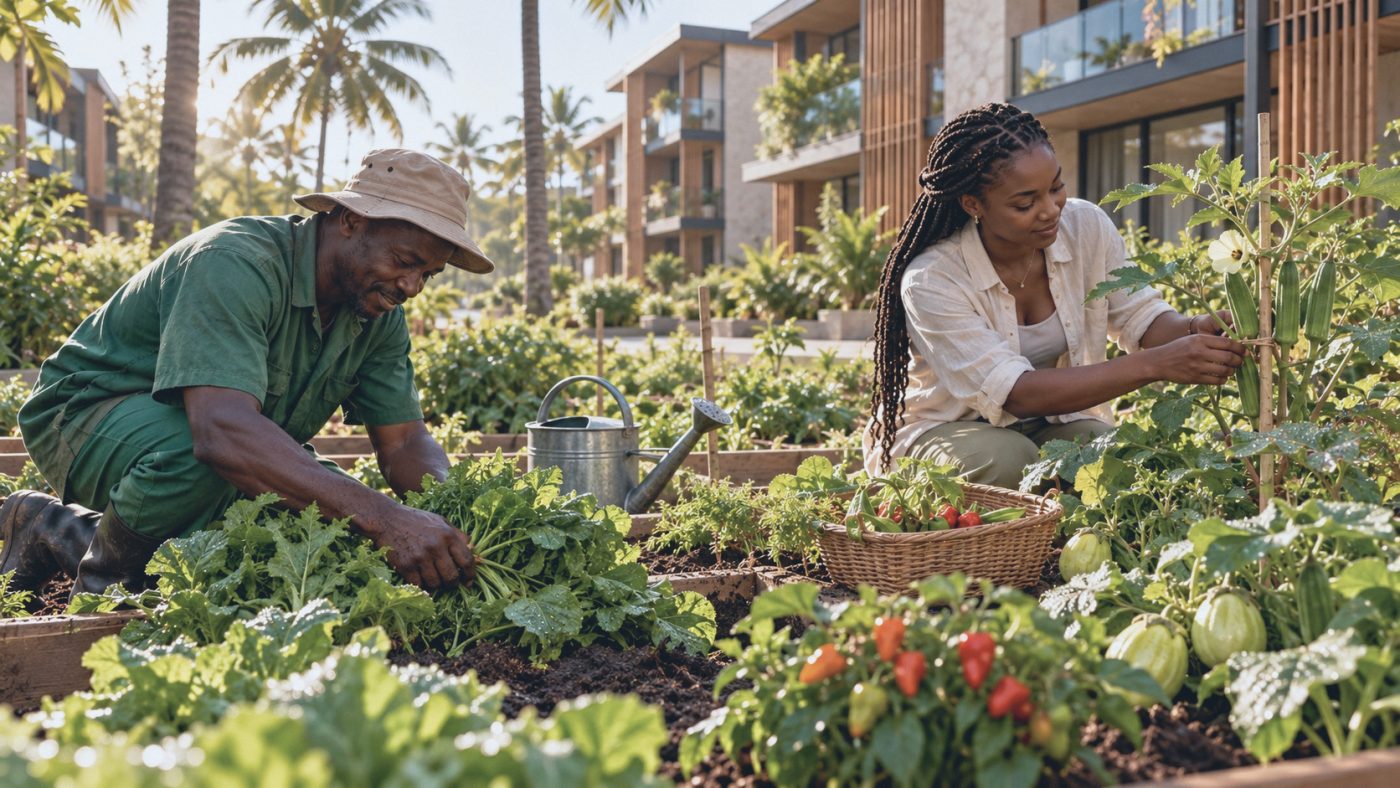
Built as a living collection first and a destination second. The nursery also raises the trees and planting for the Return Axis, the residences and the school, so the Village's landscaping is grown on site.
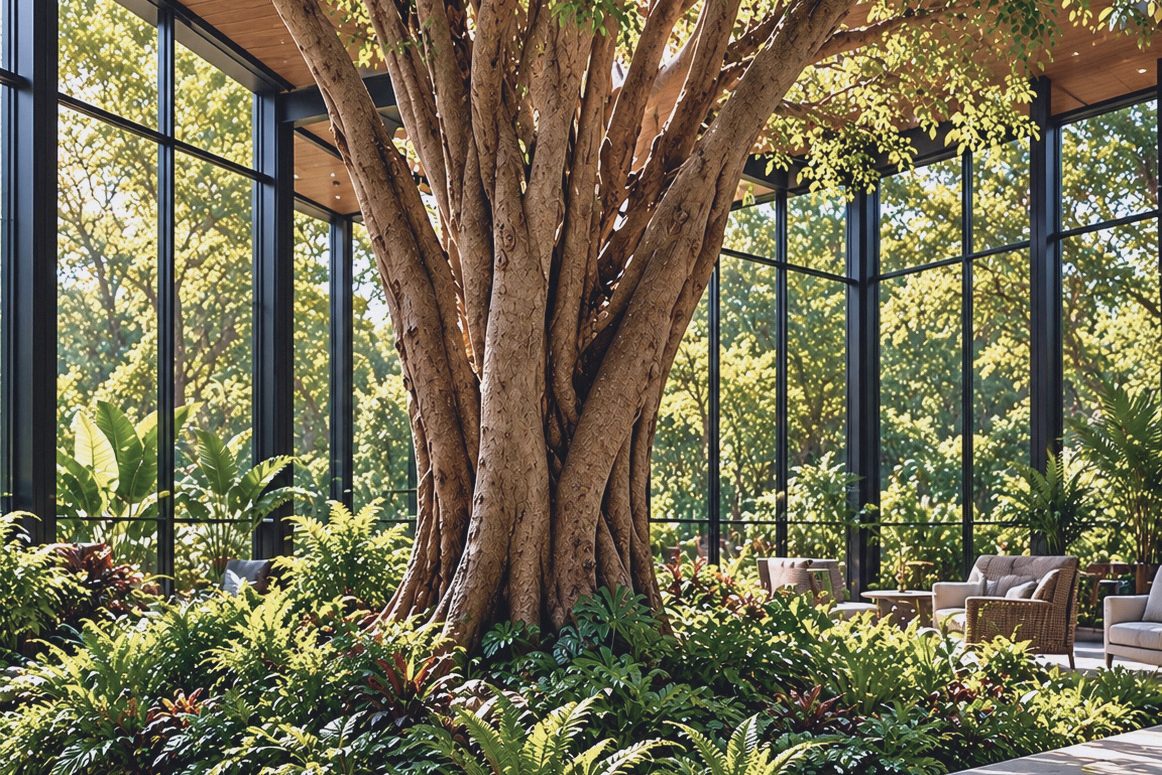 CollectionsConservatory and display glasshouses
Native, medicinal and threatened species, labelled and interpreted for visitors and students.
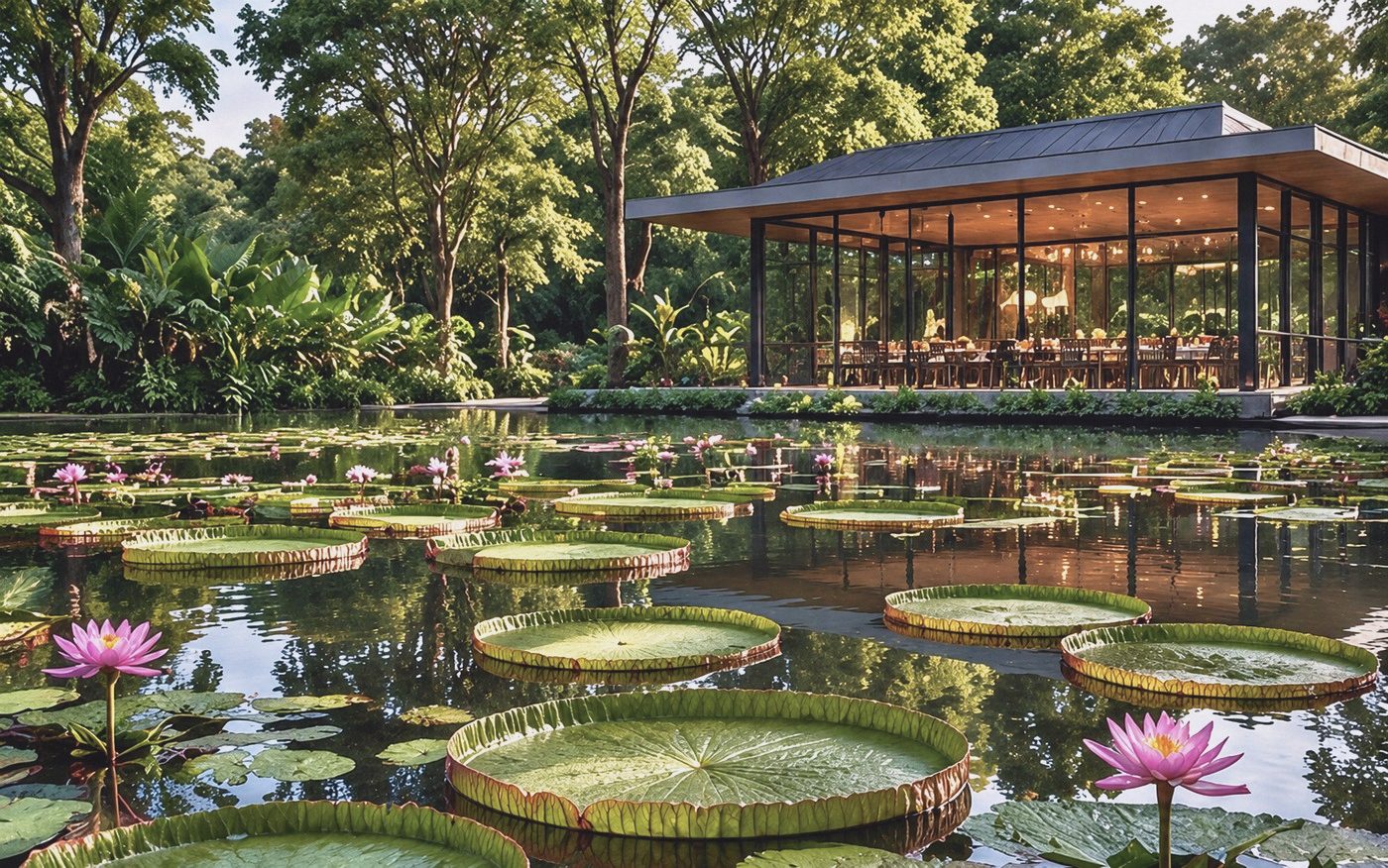 WaterWater-lily and lotus ponds
Ponds fed from the stream corridor, with giant water lilies and a pavilion over the water.
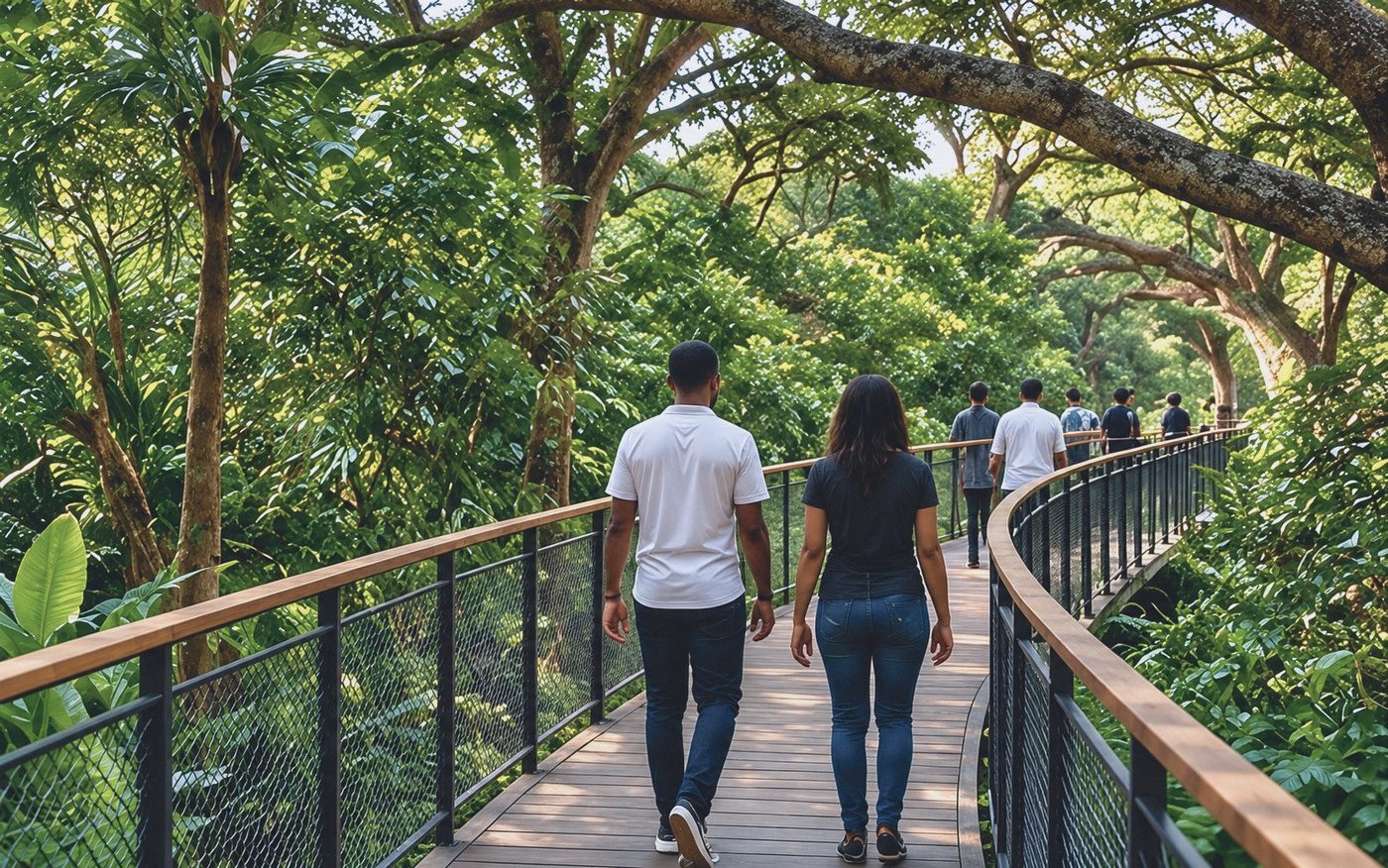 CanopyCanopy walk
An elevated timber and steel walk through the tree crowns, echoing Kakum in the same region.
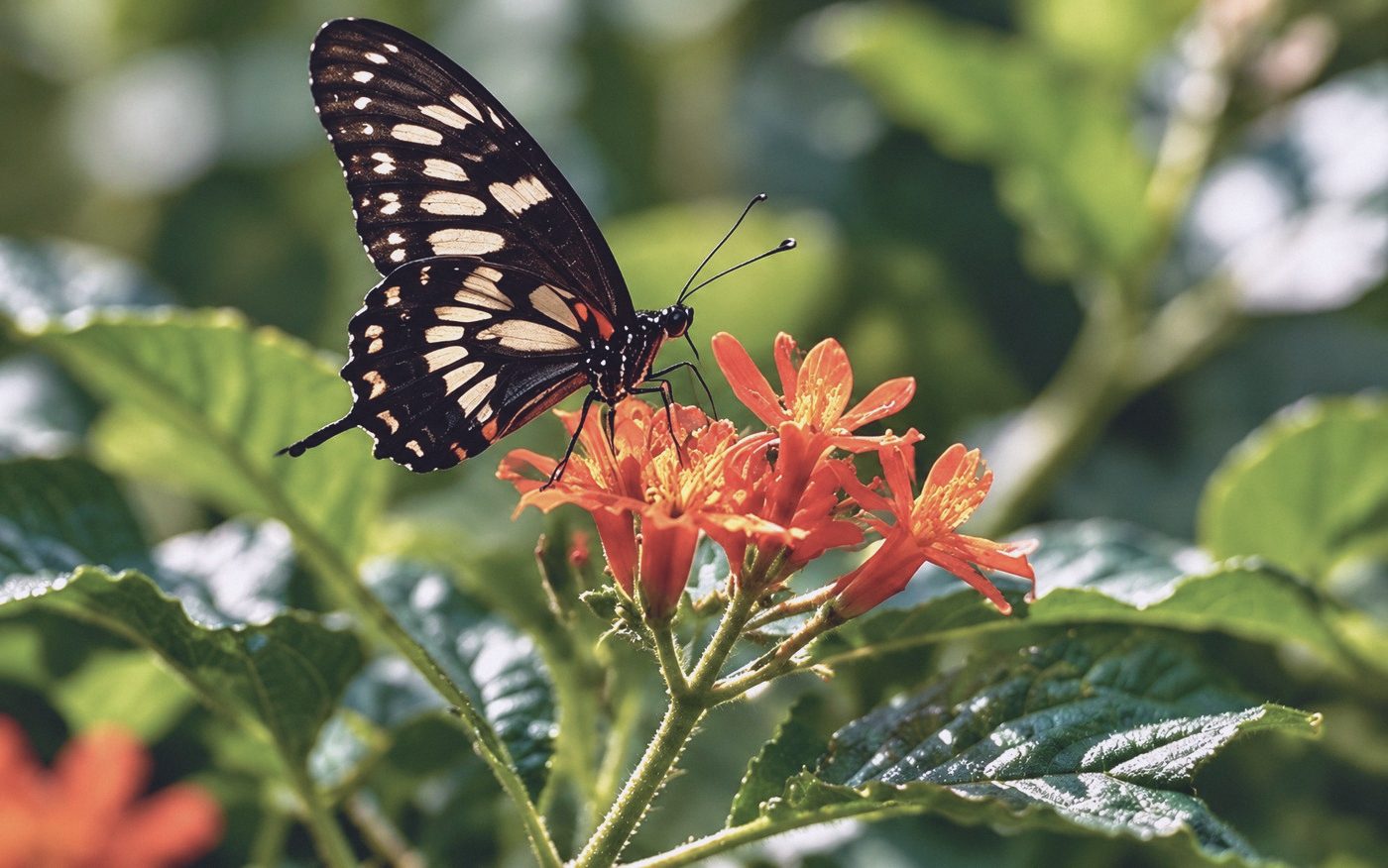 WildlifeButterfly sanctuary
Host and nectar planting for West African butterflies, under netting and in the open garden.
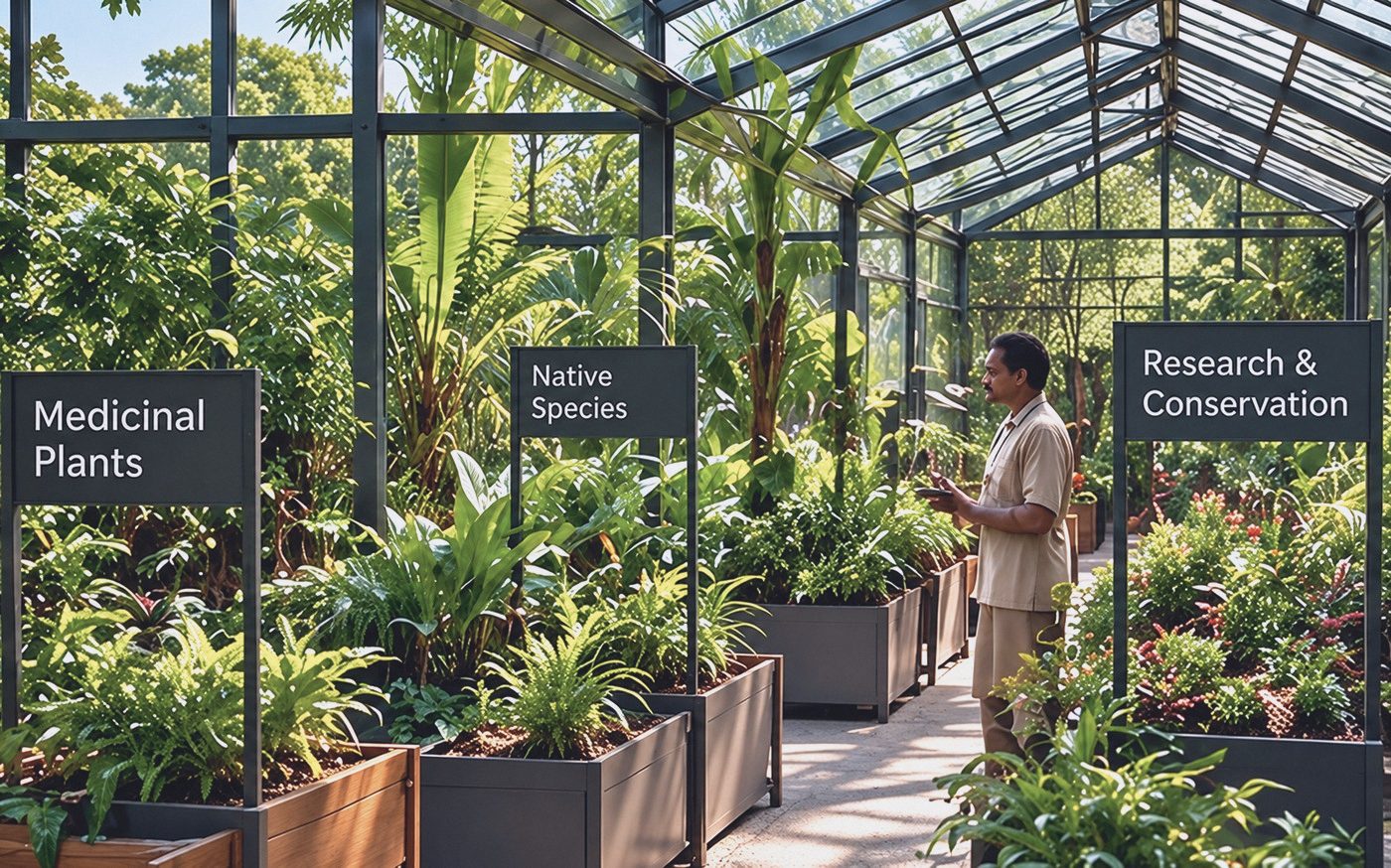 Science · later phaseResearch glasshouse and seed bank
Propagation, research and a seed bank for threatened species, run with university partners.
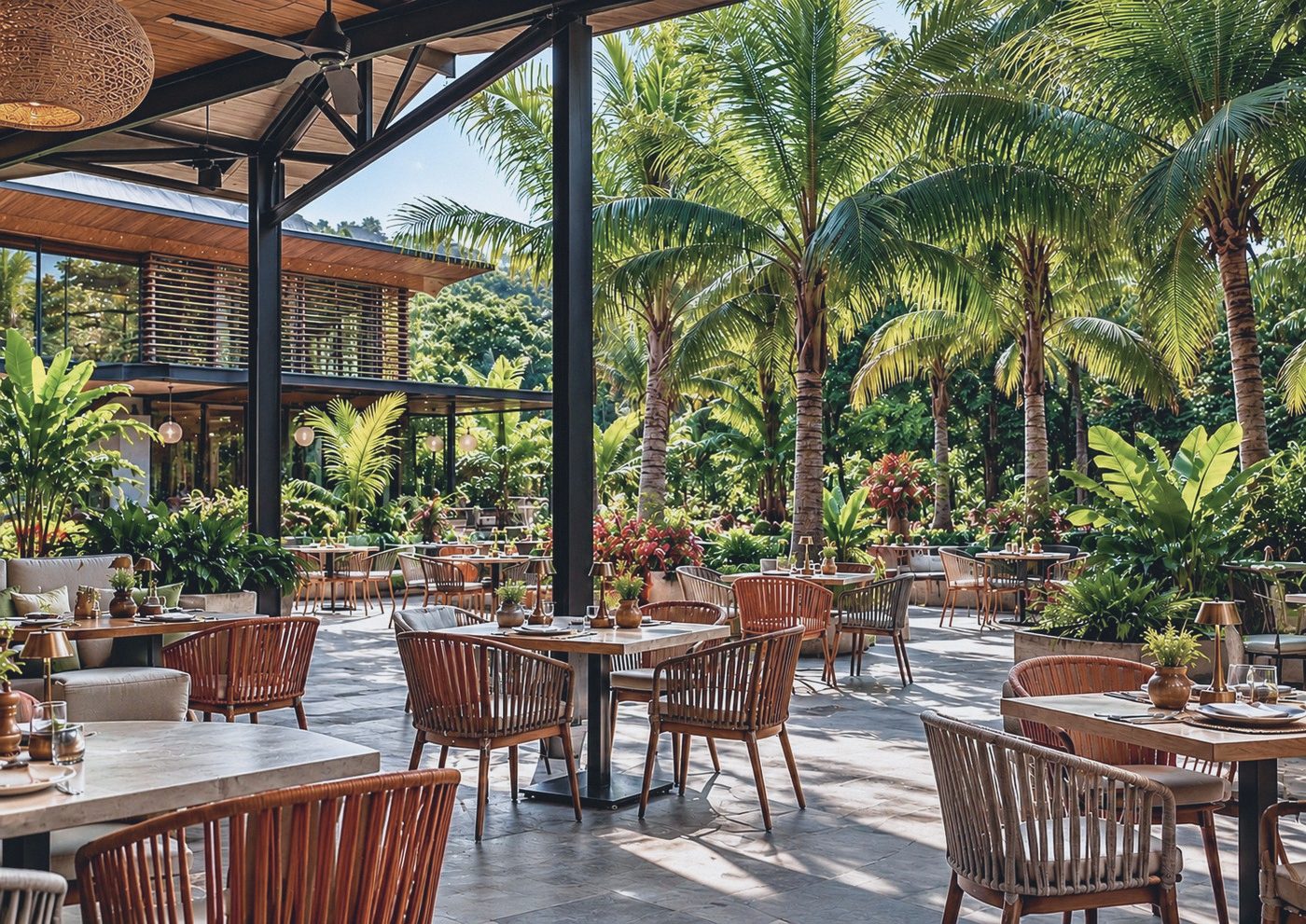 HospitalityGarden restaurant and café
Dining under timber and lantern light, with graduates of the Village's culinary school in the kitchen.
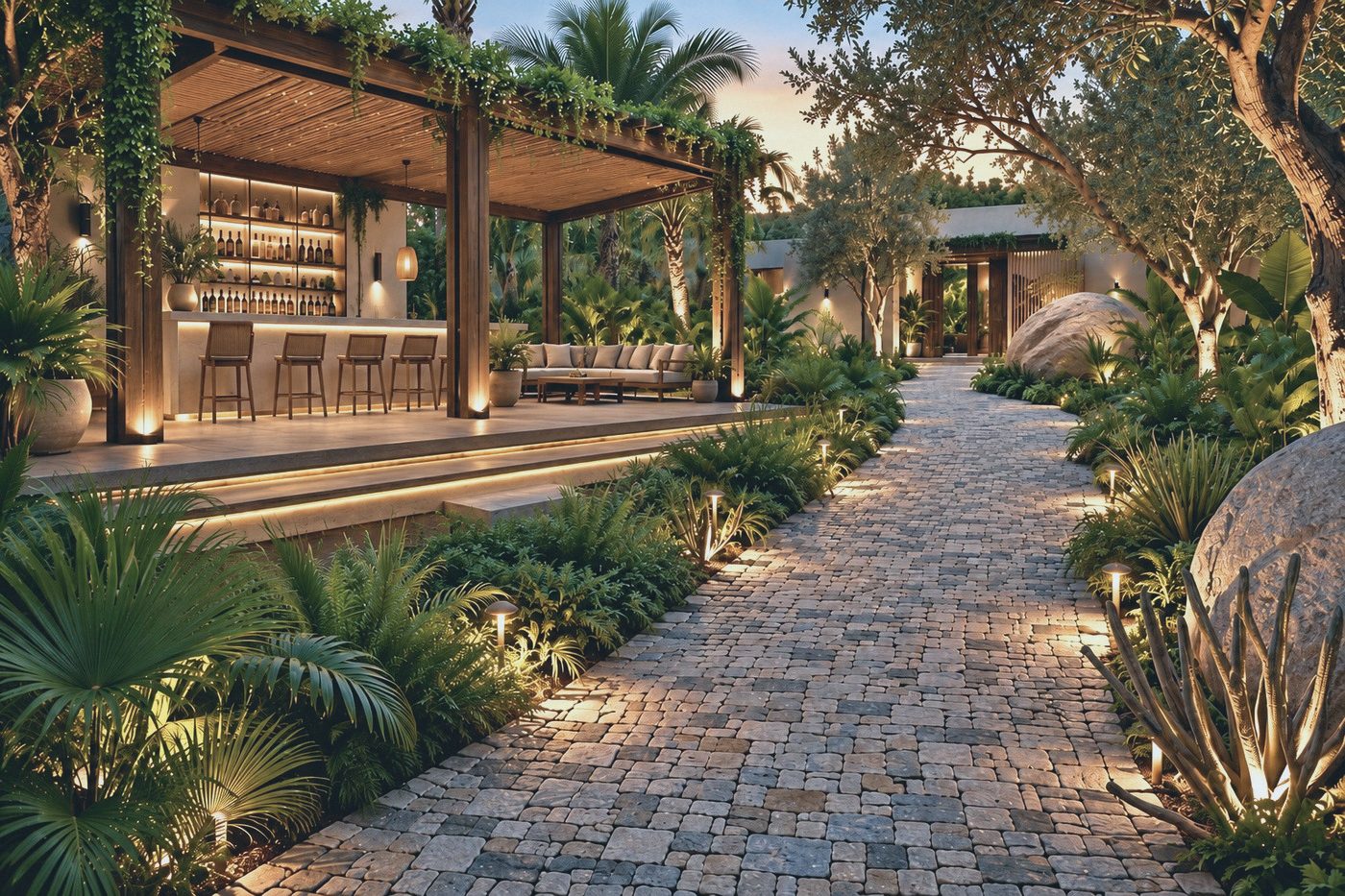 EventsEvent lawns and pavilions
Lawns and open pavilions for weddings, diaspora gatherings, graduations and concerts.
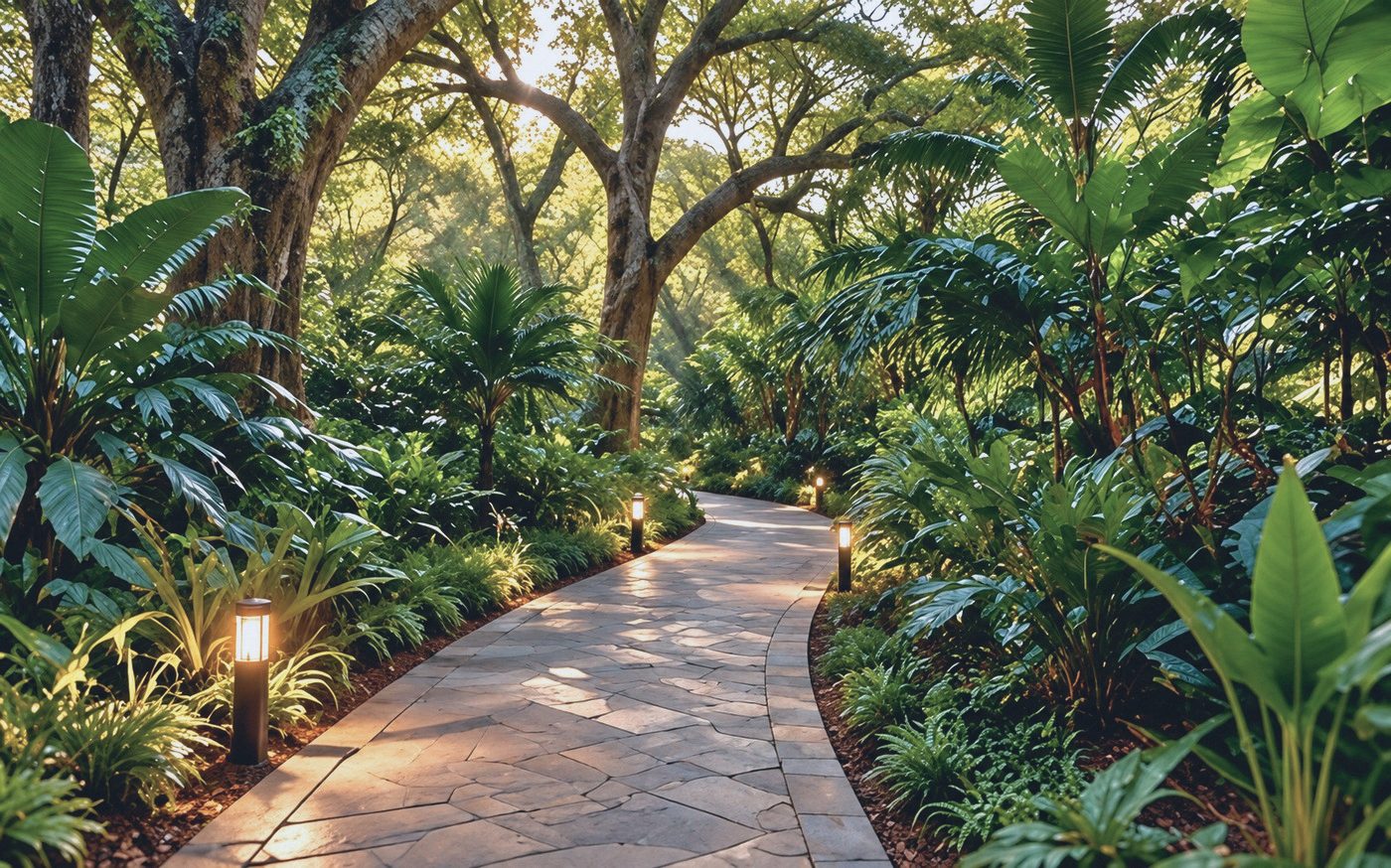 TrailsForest and eco trails
Lit paths linking the museum, the ponds and the stream corridor reserve.
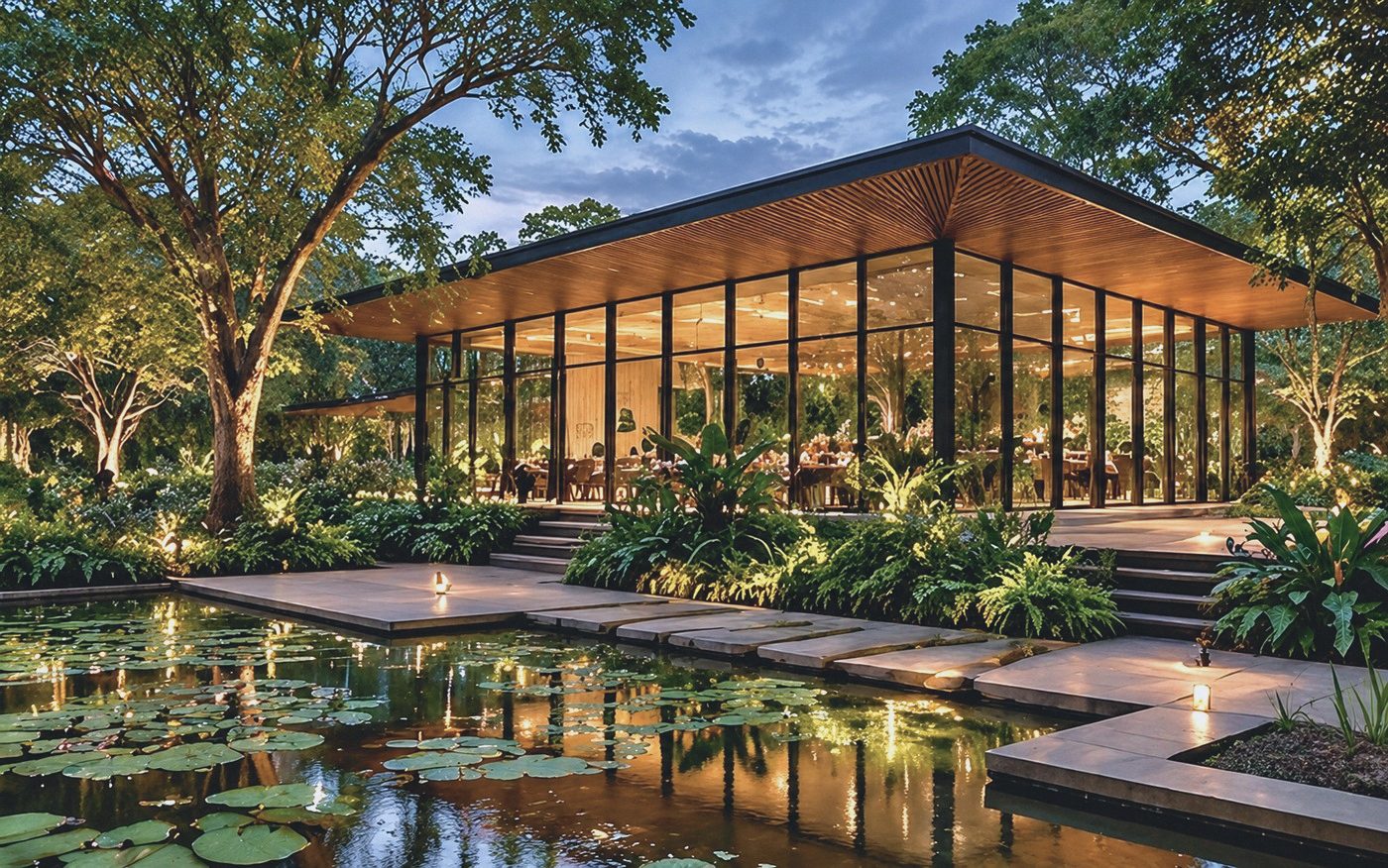 LearningChildren's garden and nursery
A children's garden for school visits, and a nursery and plant shop that supply the Village's own landscaping.
Design reference imagery for the botanical garden. Not the site.
The world's botanic gardens hold around 60% of temperate plant species but only about 25% of tropical ones, and most collections sit in the northern hemisphere. Ghana has around 3,600 plant species, at least 119 of them threatened.
A garden on this coast keeps West Africa's coastal, forest and medicinal flora in the country where it grows, and puts it in front of students every day.
In 2025 Kakum National Park, in the Central Region, was Ghana's second most visited attraction. A forest eco park and the Aburi Botanical Gardens also made the national top ten, alongside Cape Coast and Elmina castles.
The garden and museum turn that circuit into longer stays in the Village, with the hotel, hostels and conference venues a short walk away.
Curatorial ambition set by the Smithsonian's National Museum of African American History and Culture, told from the shore where it happened.
The Fante states, trade routes and the material culture of the Gold Coast before 1482.
The castles, the Atlantic trade in enslaved Africans and the passage through the Door of No Return.
The Americas, the Caribbean and Europe: what was built, endured and kept.
From the Year of Return to the families, students and investors coming back today.